
Materials
What a building is made of, chosen for its whole life and for the place it has to stand in.

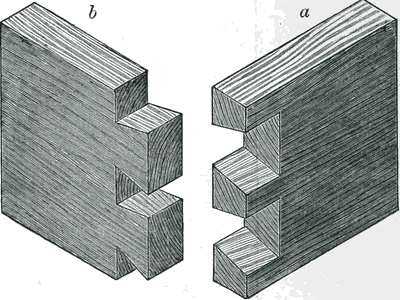
 what is it made of
The stage
Before anything is cut, someone decides what the building will be made of. That choice sets most of its carbon, much of its health and a good share of how long it lasts.
What the usual way assumes
That a material is its price per square foot on the day it is bought. What it took to make, what it gives off indoors and what happens to it in sixty years are somebody else’s line items.
What we do instead
We read the label. An environmental product declaration, or EPD, is a maker’s standardized report of a product’s impacts. With it we can choose concrete with less cement, wood framing, and insulation made of cellulose or wood fiber. One study found choices like these cut the upfront carbon of mid-rise buildings by 19 to 46 percent for less than 1 percent added cost.1
We screen for health with the Declare label and its Red List of chemicals to avoid.
And we ask a third question that the labels don’t: how many piles will this make at the end, and is each pile worth something? A wall of wood studs, wood-fiber insulation and wood sheathing comes apart into wood.
At the end, how many piles are there, and is each one worth something?
What we don’t know yet
Whether the lower-carbon choice is always the one that lasts in a wet climate. Some unfamiliar products are hard to find, and their claims need checking. A material that fails in fifteen Seattle winters was never low-carbon.
Sources and notes
- RMI, Reducing Embodied Carbon in Buildings, 2021. ↩