
Viridian
Builds

Questions

Questions from the job site

The habits of our trade that we are testing, with where we stand so far and what would change our mind.

A question stays on this page until the evidence settles it. If you have built the thing we are only drawing, we want to hear from you.

Q01

Why do we glue what we could screw?

AssemblyWorking answer

Why we ask

Glue, foam and sealant hold most of a modern house together. They are cheap, fast and forgiving. They also make parts impossible to repair or reuse.

Where we stand

Look at what the glue is really doing. Often it is stopping a squeak, sealing a draft or hiding a gap, and each of those jobs has another answer. Where a mechanical fastener will do, we use one. Where glue can’t be avoided, we stick the part to something cheap that we have already written off, never to the valuable piece. Twelve swaps lists the substitutions we start from.

What would change our mind

Proof that the screwed version performs worse where it matters: a floor that squeaks, a wall that leaks air, a roof that lifts in wind. We plan to build mock-ups and measure, and to publish the ones that fail.

Read: Every nail is a decision, Twelve swaps

Q02

Could a stranger take this building apart?

ComponentsDurabilityOpen

Why we ask

A building made to come apart is wrecked anyway if nobody knows it can. The crew that arrives in sixty years will have no drawings, a fixed price and a deadline. Without information, the sensible bid is demolition.

Where we stand

The cheapest fix in all of building is a sheet of paper. We mean to file a “disassembly sequence” drawing with every permit set, write a short record for each valuable part, and fix a durable plate inside the building that says how it was put together. Paper, a digital copy and a third copy held by someone else.

What would change our mind

Evidence that records don’t survive anyway. Drawings are lost at every sale, firms close, file formats stop opening. If the record can’t be made to outlast the building, the effort belongs in details that explain themselves on sight.

Read: Five layers, five lifespans

Q03

Where should a building refuse to come apart?

AssemblyDurabilityWorking answer

Why we ask

It would be easy to claim that everything can be made reversible. It can’t, and pretending otherwise would cost us our credibility on the parts that can.

Where we stand

Two kinds of construction resist being taken apart for sound reasons. Walls that brace a building against earthquakes get their strength from closely nailed sheathing and anchors set in concrete. Walls rated for fire and sound are tested as exact recipes. We accept those as permanent, keep them few, and make the other nine-tenths of the building demountable around them.

What would change our mind

Tested, approved versions that do come apart. Some exist: shop-built bracing panels that bolt in, and rated partition systems fixed with screws. Each one that an engineer and an inspector accept moves the line.

Read: Twelve swaps

Q04

Is a used stud as good as a new one?

MaterialsComponentsOpen

Why we ask

The lumber in a hundred-year-old Seattle house is often old-growth fir, denser and straighter than anything sold new. Yet in the eyes of the building code it is worth nothing as structure.

Where we stand

The wood is usually fine. The paperwork is missing. New lumber carries a grade stamp that tells an engineer how much load it can take. A salvaged board has no stamp, so nobody can calculate with it or approve it. Until that changes, we use reclaimed wood where no stamp is needed: trim, flooring, cladding, furniture and finish work.

What would change our mind

A grading rule for reclaimed lumber that building officials accept. Others are better placed to write one than we are, and we would gladly offer our projects as test sites.

Q05

When does building in a shop beat building on site?

FabricationOpen

Why we ask

Factory-built housing has been promised for a century. Most attempts have failed, and most houses are still framed outdoors, one board at a time.

Where we stand

A shop wins on accuracy, dryness and waste. Parts made indoors hold to a millimeter or two, and offcuts get used. That accuracy matters to us because parts meant to come apart again can’t be forced to fit with filler. A shop loses when every building is different. So, we expect to shop-build the repeated parts, such as window frames, wall panels and stairs, and to keep the odd shapes on site.

What would change our mind

Our own numbers. If shop-built parts cost more than they save once trucking and cranes are counted, on lots as tight as ours, we will say so.

Q06

What does a tradesperson need from a builder?

InstallationWorking answer

Why we ask

The best trades choose who they work for. A builder they don’t trust gets their second-best crew, or no bid at all.

Where we stand

Four things: complete drawings, a clean and ready site, a schedule that holds and prompt pay. None is a favor, and all can be organized on purpose. We wrote about it here.

What would change our mind

If we do all four and the trades still don’t answer the phone, then the old view is right: there is no substitute for years of working together. We will keep the numbers and report them.

Read: What a tradesperson needs from a builder

Q07

Who looks after a building when nobody is watching?

MaintenanceOpen

Why we ask

Filters clog, gutters fill, sealant cracks. Clever building systems mostly fail for lack of attention, not for bad design.

Where we stand

A household can’t be expected to keep watch over a rain tank or a ventilation unit. A builder who owns several buildings near each other can, by visiting them on a regular round. We build homes to keep, so that round is ours to run. We also try to build so that upkeep is easy: things you can reach, parts you can match, a record that is kept current.

What would change our mind

The hours. If keeping these buildings in good order takes far more time than we planned, simpler buildings with fewer systems may be the better answer. We will count and publish.

Read: Maintenance is a design decision

Q08

How long should a house last?

DurabilityOpen

Why we ask

Mortgages run thirty years. Roofs last twenty or thirty. Yet the frame of a well-kept house can stand for centuries. Nobody states a target, so nobody builds to one.

Where we stand

Different parts deserve different answers. The structure should be good for a century or more, the cladding for decades, the equipment for years, and each should be replaceable without wrecking the others. A house that can take its next change, such as a new floor or a split into two homes, is less likely to be torn down for being the wrong shape.

What would change our mind

It is possible to over-build for a future that never comes. If the extra cost of a century-long frame buys nothing because cities keep changing faster than buildings wear, then lighter buildings that come apart cleanly may be the wiser bet.

Read: Five layers, five lifespans, Maintenance is a design decision

Q09

Will the joint still open in year sixty?

DurabilityAssemblyOpen

Why we ask

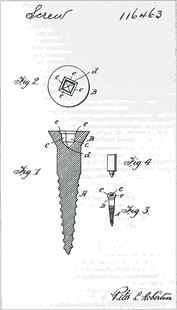
A screw is chosen on day one and unscrewed, if ever, generations later. In between, heads rust and fill with paint, wood shrinks onto the threads and metals seize together.

Where we stand

We choose fasteners for the day they come out. Hex or square heads that a socket can still grip. Stainless or galvanized steel where it is damp. No unusual drive patterns: a fastener nobody sells a driver for has become a nail. And we don’t swap screws for nails everywhere, because a smooth nail in softwood already pulls cleanly.

What would change our mind

Time is the only real test, and we don’t have it. Salvage crews already report that screwed timber joints can be hard to undo after years in service. If old buildings show that bolts and clips age worse than we hope, simpler joints may win.

Read: Every nail is a decision

Q10

What makes a home easy to live in for fifty years?

LivabilityOpen

Why we ask

Builders measure what inspectors measure: structure, fire, energy. Nobody inspects for whether a home is quiet, whether its fan is too loud to use, or whether an older person can still manage the stairs.

Where we stand

Much of livability is set by ordinary construction choices. Sound depends on mass, separation and sealed gaps. Air depends on a tight shell and ventilation people will actually run. Safety depends on plain things: lead-free soil, a grab bar that has solid wood behind it, a frame braced for an earthquake. We keep the homes we build, so we are there to hear what works.

What would change our mind

What residents tell us. If the things we think matter turn out not to, and they ask for something we overlooked, they are right and we are wrong.